
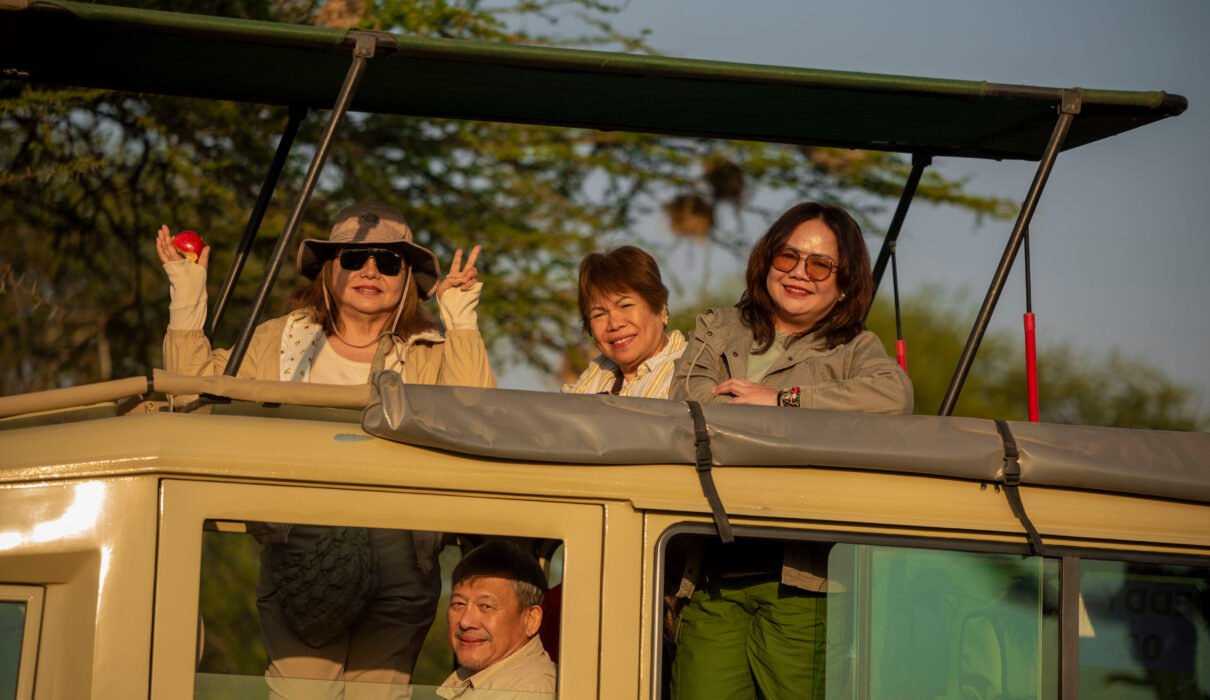
This 3-day Tanzania joining group safari is a practical shared adventure for travellers who want the Serengeti and Ngorongoro Crater in a short, well-organised trip. It starts in Arusha, travels through the Ngorongoro highlands to Central Serengeti, includes a full day of wildlife viewing, and ends with a crater descent before returning to Arusha. It is a good option for solo travellers, couples and friends who want to share a vehicle and reduce cost without missing Tanzania’s most important wildlife landscapes.
Three days involves long road sections, so the itinerary is planned honestly. There is no attempt to add too many parks. The focus stays on Serengeti’s open plains and the concentrated wildlife of Ngorongoro Crater. You share the safari Land Cruiser and guide with other confirmed guests. If you prefer your own schedule and vehicle, a private version can be arranged.
Safari at a glance
- Duration: 3 days / 2 nights
- Route: Arusha – Central Serengeti – Ngorongoro Crater – Arusha
- Style: Joining group safari
- Vehicle: Shared 4×4 Land Cruiser with pop-up roof
- Accommodation: Budget camp, tented camp or lodge according to departure category
- Start and finish: Arusha
What does joining group mean?
A joining group combines guests from separate bookings on one confirmed safari departure. The vehicle, guide and daily itinerary are shared. This keeps the per-person price lower than a private safari and can be enjoyable for people travelling alone. The shared arrangement requires a little flexibility: early starts, agreed meal times and respect for other guests’ viewing space.
Always confirm the current departure date, group size, accommodation type and vehicle seating before you book. A joining group should never be overcrowded. Your guide must be able to manage safety, wildlife viewing and the long driving days without rushing guests unfairly.
Detailed itinerary
Day 1: Arusha to Central Serengeti
Meet your guide and group in Arusha after breakfast. Begin the drive west toward the Ngorongoro Conservation Area, climbing through the highlands before continuing onto the Serengeti plains. This is a longer drive, but the changing landscape makes it part of the safari. A packed lunch is taken en route.
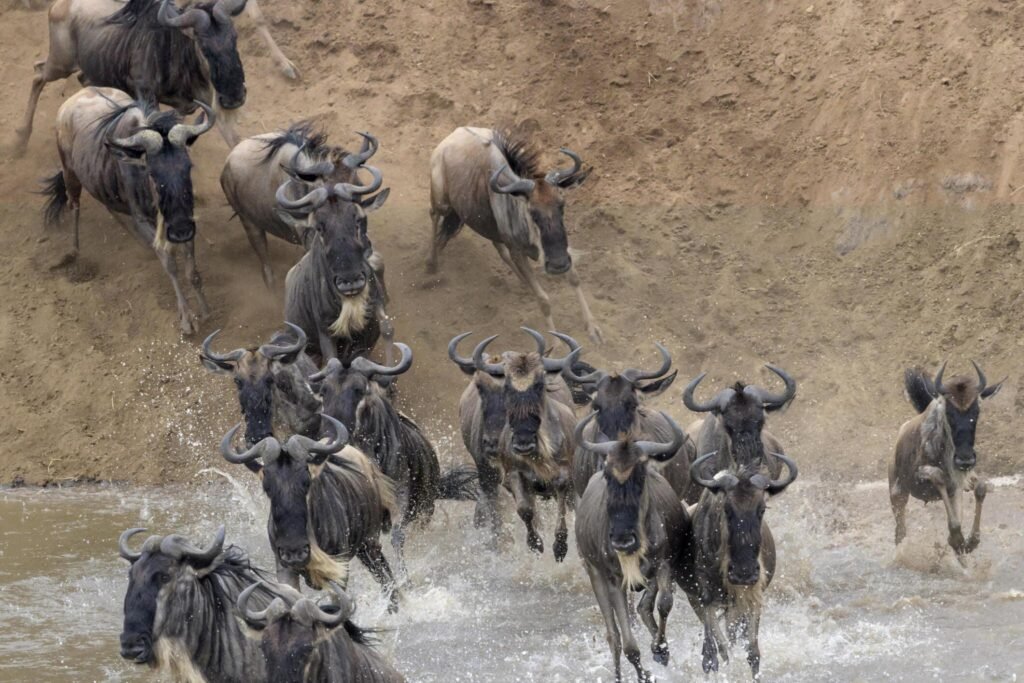
Enter Serengeti National Park and begin game viewing as you travel toward the Central Serengeti camp. The central Seronera region has rivers, kopjes and grassland that support wildlife throughout the year. Look for zebra, wildebeest, giraffe, buffalo, antelope and, with luck, lion, hyena, leopard or cheetah. Arrive at camp for dinner and an overnight in the bush.
Meals: Lunch and dinner
Overnight: Central Serengeti camp or lodge
Day 2: Full-day Central Serengeti game drive
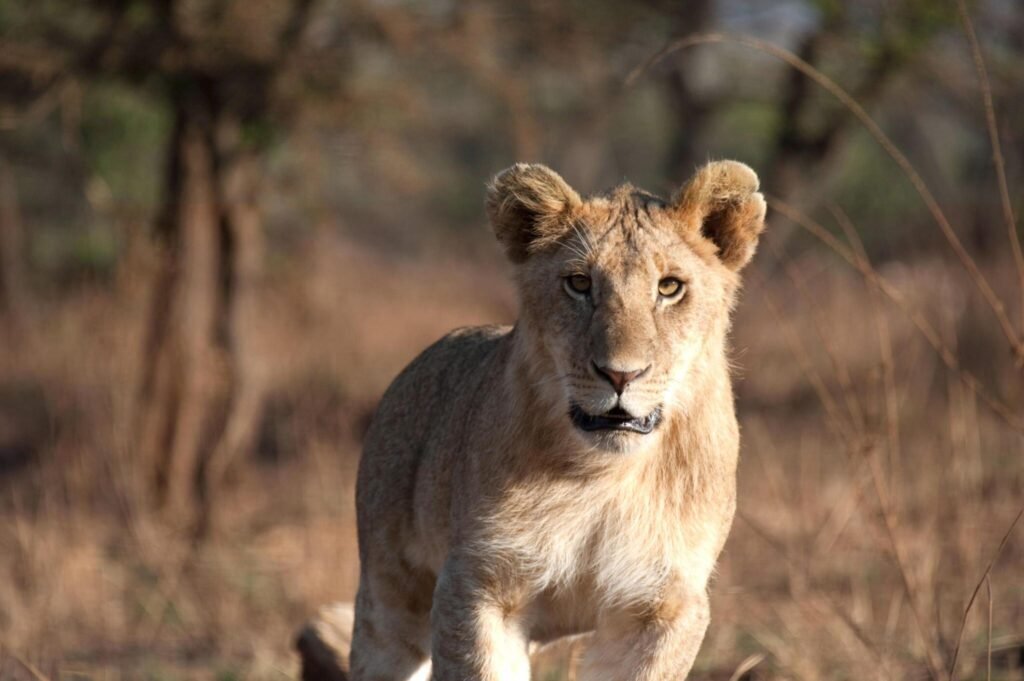
Leave camp early for a full day in Central Serengeti. Early morning is a good time for predator activity and soft photography light. Lions may rest near kopjes or hunt in grassland, leopards often use trees along river lines, and cheetahs prefer open country. The guide looks for signs such as tracks, vultures and alarm calls instead of simply driving from one well-known spot to another.
Serengeti is not only about big cats. Watch elephants, giraffes, hippos, hyenas, jackals, topi, hartebeest, gazelles and birds. The scale of the landscape is part of the experience: long grass, distant kopjes and a horizon that seems to continue indefinitely. Enjoy a packed lunch in the park or return to camp depending on the group plan, then continue the afternoon game drive.
Meals: Breakfast, lunch and dinner
Overnight: Central Serengeti camp or lodge
Day 3: Serengeti – Ngorongoro Crater – Arusha
After an early breakfast, leave Serengeti and travel toward Ngorongoro Crater. Depending on the route and time, there may be a short wildlife drive as you depart. Descend approximately 600 metres into the crater floor for a focused game drive. The caldera has open grassland, forest, swamps and Lake Magadi, supporting a remarkable concentration of animals.
Lion, buffalo, zebra, wildebeest, hippo, hyena, jackal and many birds are regularly possible. Elephants may be found near Lerai Forest. Black rhino is present but rare, so it is a special sighting rather than a promise. Lunch is at the designated picnic area, then the guide completes the crater drive and ascends to the rim before returning to Arusha.
Meals: Breakfast and lunch
End: Arusha hotel or agreed drop-off, usually late afternoon or evening
What is included?
- Shared 4×4 safari vehicle with pop-up roof
- Professional English-speaking driver-guide
- Two nights’ accommodation in the confirmed group category
- All meals stated in the itinerary
- Drinking water in the safari vehicle
- Serengeti park fees and Ngorongoro conservation/crater fees
- Game drives and Arusha transfers as stated
- Government taxes and VAT where applicable
What is excluded?
- International flights, visas and travel insurance
- Alcoholic beverages, soft drinks and personal snacks unless stated
- Tips for guide and camp/lodge staff
- Optional balloon flight or activities not in the itinerary
- Laundry, souvenirs, calls and personal purchases
- Extra accommodation before or after the safari unless quoted
Why this short route works
Serengeti and Ngorongoro are the two places most visitors want to experience when time is limited. By leaving out extra park stops, the itinerary gives the Serengeti a full day rather than only an afternoon. Ngorongoro provides a contrasting final wildlife experience in a single contained landscape.
It is not the right route for travellers who dislike early starts or long drives. In that case, a four- or five-day safari is better. For travellers with limited leave who want the best possible wildlife time in three days, it is a strong shared-safari option.
Accommodation and packing
Group departures may use public camping, simple tented camps or lodge accommodation. Camping is the most economical and has shared facilities. Tented camps often have beds and more privacy. Lodges give more room comfort. Confirm the category before booking, because “budget safari” can mean different things at different properties.
Pack light layers, a fleece for early drives and crater highlands, neutral-coloured clothing, closed shoes, sunscreen, hat, sunglasses and a light rain jacket. Carry medication, camera, power bank and water in a small day bag. A soft-sided luggage bag is easier to store in a shared vehicle.
Wildlife, seasons and responsible expectations
Serengeti and Ngorongoro can be visited all year. June to October is generally dry and popular; January and February can be warm and excellent for wildlife; March to May is greener and wetter; November and December often bring shorter rains. Migration herds move with rainfall and grazing, so their exact location cannot be guaranteed.
Keep expectations respectful. Do not ask the guide to crowd, chase or feed animals. Stay on authorised tracks and keep noise low. A calm sighting where wildlife behaves naturally is far more valuable than a forced close photograph.
Practical group-safari advice
Arrive in Arusha at least one night before the trip. This protects the departure if your international flight is delayed. At the end of Day 3, do not book a tight international connection because arrival time depends on traffic, road conditions and the crater schedule. A final Arusha hotel night is safer.
Ask for group size, accommodation name, cancellation terms and full price in writing. Tell us about dietary requirements, allergies, children or mobility needs early. Carry suitable travel insurance and check passport, visa and health requirements from official sources before departure.
Making the most of the Serengeti day
Do not approach the full game drive as a competition to find every animal. The best Serengeti days have a rhythm: a slow early start, time at a promising sighting, pauses to watch smaller details, then movement into a different habitat when conditions change. You may see a lion pride sleeping through the morning, but that is still part of how lions conserve energy. A hyena den, giraffe crossing, martial eagle or group of topi can be just as interesting when your guide explains what you are seeing.
Keep your camera ready, but look without it too. The open plains are often most powerful when you stop trying to photograph everything. Your guide can suggest the best angle for light and help you understand where animals may be moving, but patience is always more useful than rushing.
Food, water and comfort on the road
Breakfast and dinner are served at the camp or lodge, while lunch is normally a packed box for long game-drive days. The exact meals depend on the confirmed property and remote supplies. Share vegetarian, halal, vegan, gluten-free or allergy needs well before departure. That gives the camp and guide time to plan appropriately.
Drinking water is provided in the vehicle. Bring a reusable bottle and drink regularly, because the days can be warm even if early morning is cool. A small day bag should contain sunscreen, hat, rain layer, personal medication, snacks, camera and power bank. It is better to keep essentials within reach than in luggage stored at the back of the vehicle.
Why group size and vehicle space matter
A safari vehicle must give guests room to see, move cameras and sit comfortably on longer roads. Before booking, ask the expected group size and seating arrangement. A low price is not good value if the vehicle is overcrowded or guests cannot enjoy sightings properly. A professional operator keeps the group manageable and the guide focused on driving safely and interpreting wildlife.
During the safari, be considerate about roof-space and photo stops. Let other guests move to the viewing side, keep personal bags compact and respect the guide when they ask people to sit down or close the roof. These small choices make a shared journey easier for everyone.
Private option and extending the route
If you travel with family or friends, ask for a private quotation as well. Private safari guests have their own vehicle and can adjust the pace around children, photography or accommodation preferences. The three-day route can also be extended with Tarangire or Lake Manyara, which reduces driving pressure and adds a different habitat.
Many guests add Zanzibar after safari. A few beach nights are a calm contrast to early wildlife drives, and domestic flights can be arranged as part of a wider itinerary. Share your total number of holiday nights at enquiry stage so the trip can flow properly from mountain, safari or beach without unnecessary backtracking.
Frequently asked questions
Can I join as a solo traveller?
Yes. This is one of the main reasons joining group safaris exist. You share the vehicle and guide with other guests and can ask about a single-room or shared-room option.
Will we see the Big Five?
Serengeti and Ngorongoro give excellent wildlife potential, but there is no guarantee. Black rhino and leopard are particularly elusive. The itinerary is designed for broad, responsible wildlife viewing rather than promises.
Is this safari suitable for children?
It can be, provided children are comfortable with long drives and early starts. Tell us their ages and room needs before booking.
What happens when it rains?
The guide adjusts the route for safe road conditions. Rain can bring dramatic skies and fresh wildlife activity, and it is a normal part of safari travel.
Travel responsibly
Do not feed wildlife, leave litter or ask for off-road driving where it is prohibited. Follow the guide’s instruction, keep voices low near animals and use water and electricity thoughtfully at camp. Tanzania’s wildlife areas are living ecosystems, and responsible behaviour helps protect them for future visitors.
With the right preparation, three days can provide a powerful introduction to Tanzania’s safari country: two contrasting wildlife areas, a professional guide and memories built from real encounters rather than false promises.
Before departure: a simple checklist
- Confirm your group date and hotel pick-up time in writing.
- Keep your passport, insurance and contact details in a secure day bag.
- Wear comfortable clothing and closed shoes; carry a warm layer for the crater.
- Bring sunscreen, sunglasses, hat, refillable bottle and camera charging cable.
- Tell the operator in advance about dietary needs or medical requirements.
- Arrive in Arusha at least one night before the drive to Serengeti.
Why honest planning improves a short safari
Tanzania is a large country. A three-day itinerary can be excellent, but it cannot include every national park without turning the holiday into a rushed road trip. This route gives priority to Serengeti and Ngorongoro because those two places deliver a strong variety of wildlife and landscapes in the available time. If someone promises Tarangire, Lake Manyara, Serengeti and Ngorongoro all in three days with long game drives in every park, ask how the travel time will actually work.
Clear planning also means knowing that a group safari has shared decisions. You may not stop at every animal for as long as you personally would on a private trip, but you gain a friendly group experience and sensible cost. The guide balances the interests of everyone while keeping the core wildlife time strong.
After the safari
Most guests return to Arusha on the third evening and stay overnight. Use the time to rest, charge devices, sort photographs and enjoy a proper meal after camp life. From Arusha, you can continue to Kilimanjaro International Airport, take a domestic flight to Zanzibar or begin another Tanzania experience. Do not underestimate how tired you may feel after two early mornings and long drives; a rest night is a good choice.
If your safari is part of a longer Tanzania holiday, tell us before booking. We can arrange airport transfers, an extra hotel night, safari extensions or a beach continuation as one coherent plan. It is more comfortable and often more cost-effective than arranging each part at the last minute.
Value without shortcuts
Sharing a vehicle is the sensible way to manage the fixed costs of a safari, but it should not mean reducing safety, skipping mandatory park fees or using unsuitable vehicles. The driver-guide, vehicle condition, camp location and time in the parks are the elements that determine the quality of the experience. Compare those details carefully when choosing a group offer.
Booking with confidence
Before paying a deposit, read the itinerary and inclusions carefully. Make sure you know whether the accommodation is camping or lodge-based, what meals are provided, where the group starts and ends, and whether an airport transfer is included. Ask what happens if a departure does not reach its minimum group size. A professional response will be direct and clear.
Once confirmed, keep your booking documents available on your phone and as a printed copy. Arrive with a little flexibility, because roads, weather and wildlife do not operate by exact minute. The guide will keep you informed and make choices that protect the group’s safety and enjoyment.
That calm, well-informed approach makes a short Tanzania group safari feel organised, personal and worthwhile from the first Arusha pick-up to the final return drive.
Safe, respectful and truly memorable for all.
Book your 2027/2028 joining group safari
Group availability changes as guests confirm places. Contact Eddy Tours & Safaris for live departure dates, group size, accommodation and a full quotation. If the group date is not suitable, we can prepare this route as a private safari.
Visit our contact page, call or WhatsApp +255 711 906 664, or email eddytoursandsafaris@gmail.com or sales@eddytours-safaris.com. For Kilimanjaro climbing plans, see Kilimanjaro Climb Specialist.