

Climbing Mount Kilimanjaro in 2027 is an exciting opportunity for travelers who want to reach the highest point in Africa while sharing the journey with other hikers. Standing at 5,895 metres above sea level, Mount Kilimanjaro attracts climbers from different countries, backgrounds and levels of trekking experience. Although the mountain does not require technical mountaineering skills on its standard trekking routes, reaching the summit demands physical preparation, patience and enough time to adjust to the altitude. Joining an organized climbing group can make the experience more affordable and provide the company of other travelers throughout the expedition.
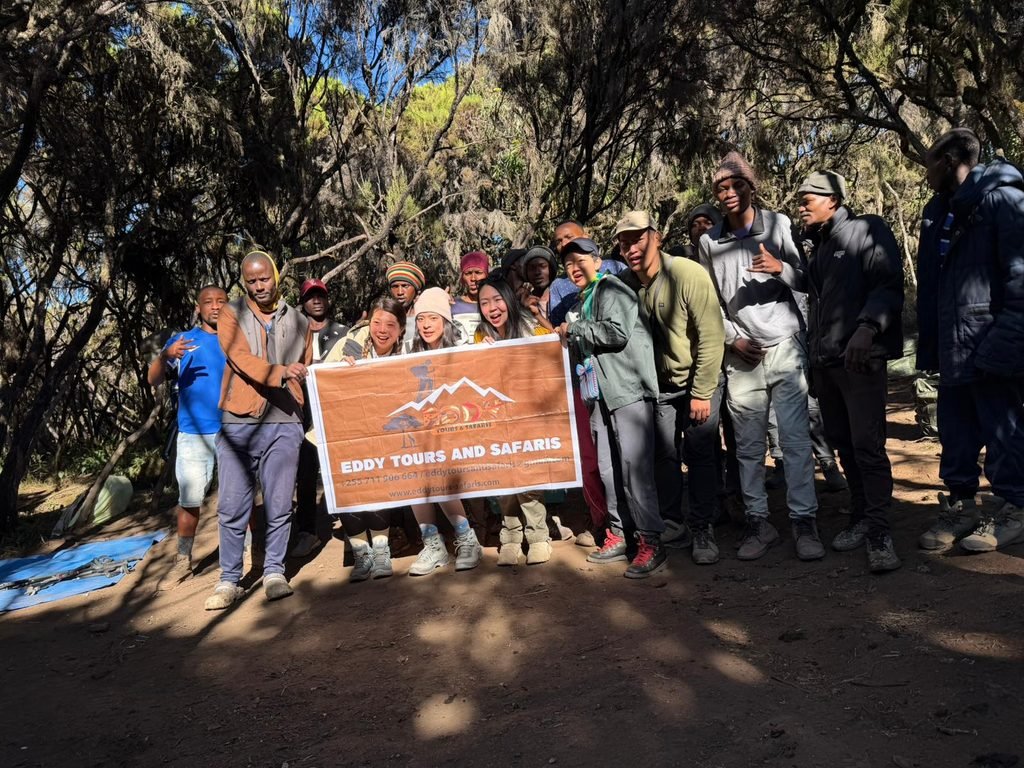
For travelers planning a Kilimanjaro climbing adventure with Eddy Tours & Safaris, several routes and group arrangements are available to consider for 2027. The popular Machame and Marangu routes appeal to hikers looking for established trekking itineraries, while Lemosho, Rongai and the Northern Circuit offer different landscapes and opportunities for longer acclimatization schedules. Understanding these differences before booking is important because the number of climbing days, accommodation arrangements, terrain and daily walking distances can have a considerable effect on the overall experience.
What Is a Kilimanjaro Group Climb?
A Kilimanjaro group climb is an organized mountain expedition where individual travelers, couples or small groups join other climbers on the same route and departure date. Rather than arranging a completely private expedition, participants share certain services such as mountain guides, cooking arrangements, transport and logistical support. Each climber follows an agreed itinerary, with the mountain crew responsible for organizing camps, preparing meals, transporting equipment and assisting the group throughout the journey.
Group climbing is particularly attractive to solo travelers who would otherwise face higher costs when booking a private expedition. It also provides an opportunity to meet people from different countries and share the experience of trekking through Kilimanjaro’s changing landscapes. However, joining a group does not mean everyone must walk at exactly the same speed. Experienced mountain guides should monitor individual climbers, encourage a manageable walking pace and respond appropriately when someone experiences difficulty with the altitude or physical demands of the trek.
At Eddy Tours & Safaris, travelers can enquire about group-joining opportunities for 2027 and compare routes according to their preferred travel dates, available budget and trekking experience. Group departures and available spaces should always be confirmed before international flights or other non-refundable arrangements are booked.
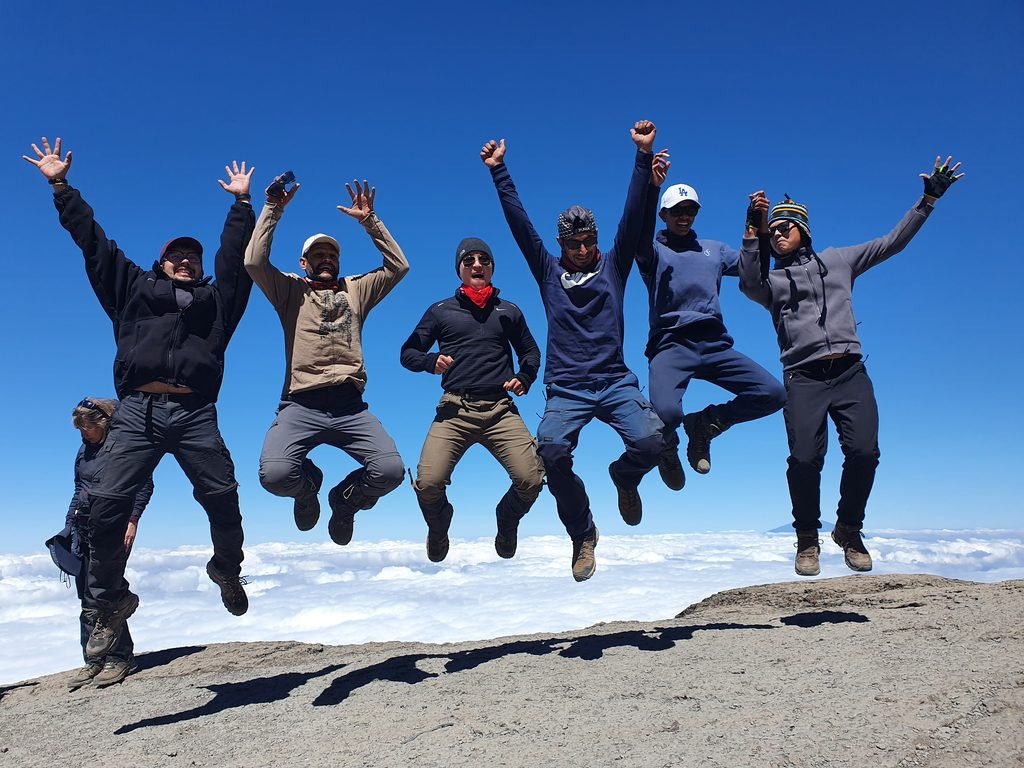
Best Kilimanjaro Group Climbing Routes for 2027
Choosing a route is one of the most important decisions when planning a Kilimanjaro expedition. Some routes approach the mountain through dense rainforest before crossing open moorland and alpine desert, while others begin on quieter slopes with views towards Kenya. The time spent on the mountain also varies, and a longer itinerary generally gives climbers more opportunity to acclimatize before attempting the summit. The following routes are worth considering for a group climb in 2027.
1. Machame Route – 6 or 7 Days
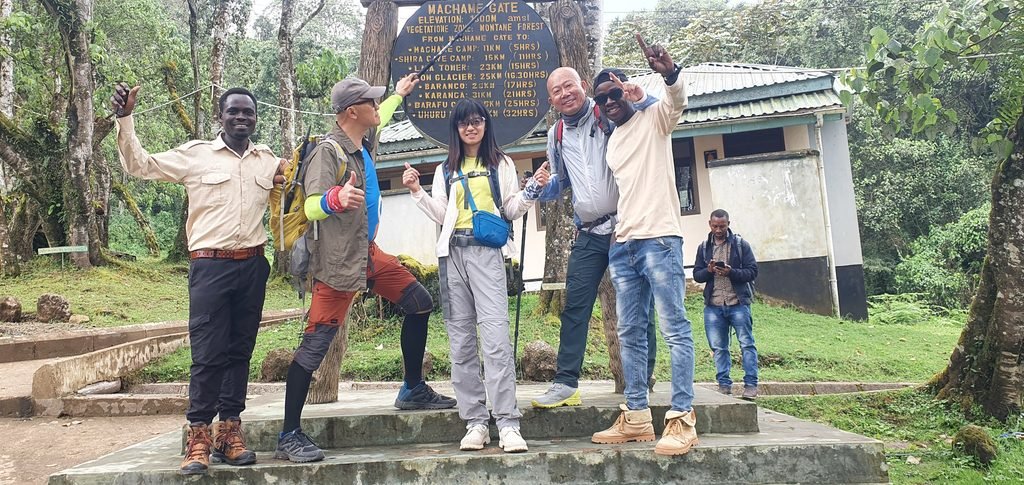
The Machame Route is one of the most popular approaches to Mount Kilimanjaro, particularly among travelers who enjoy varied landscapes and a traditional camping experience. Often called the Whiskey Route, Machame begins on the southern side of the mountain and passes through tropical rainforest, heathland, the Shira Plateau and the alpine desert before reaching the higher summit camps. Its scenery changes considerably throughout the climb, giving participants an opportunity to experience several of Kilimanjaro’s distinctive ecological zones.
A seven-day Machame itinerary is generally preferable to the shorter six-day version because it provides a more gradual schedule and additional time for acclimatization. Climbers normally encounter the Barranco Wall, a steep rocky section that requires some scrambling but does not usually involve technical climbing equipment. The summit attempt commonly begins during the night from Barafu Camp, allowing climbers to approach Stella Point and Uhuru Peak in the early morning. Travelers interested in this route can explore the Machame climbing options offered by Eddy Tours & Safaris and request details of suitable 2027 group departures.
2. Lemosho Route – 7 or 8 Days
The Lemosho Route approaches Kilimanjaro from the western side and is widely appreciated for its attractive scenery and longer trekking options. The journey begins in a relatively quiet forest environment before crossing the Shira Plateau, where climbers experience broad mountain landscapes and views across the surrounding highlands. As the route continues, it eventually joins sections of the southern circuit used by Machame climbers, passing notable landmarks such as Lava Tower and Barranco before approaching the summit.
An eight-day Lemosho climb is particularly suitable for travelers who want a more gradual mountain itinerary rather than rushing towards higher elevations. The additional time can help with acclimatization, although no route or duration guarantees that every participant will reach the summit. Travelers can compare the Lemosho and other Kilimanjaro climbing routes before choosing their preferred itinerary. Additional information about extended western approaches is also available through Kilimanjaro Climb Specialist’s nine-day Lemosho itinerary.
3. Marangu Route – 5 or 6 Days
Marangu is one of Kilimanjaro’s longest-established trekking routes and is particularly well known for its mountain hut accommodation. Unlike Machame, Lemosho and Rongai, where climbers generally sleep in tents, the Marangu Route provides shared sleeping facilities at Mandara Hut, Horombo Hut and Kibo Hut. This makes it appealing to travelers who prefer not to camp throughout the expedition, although the huts are basic mountain accommodation rather than conventional hotels.
The route begins at Marangu Gate and follows a well-established trail through forest and moorland towards the higher slopes of Kibo. The six-day version usually includes an additional acclimatization day around Horombo, making it a more sensible choice than the shorter five-day schedule for many climbers. Despite its reputation as a comparatively straightforward walking route, Marangu should not be underestimated because the altitude and demanding summit night remain significant challenges. Travelers considering this option can request a Marangu group climbing quotation with the complete itinerary and accommodation arrangements clearly explained.
4. Rongai Route – 6 or 7 Days
The Rongai Route approaches Mount Kilimanjaro from the northern side, close to the Kenyan border. It is a good alternative for climbers interested in experiencing a different side of the mountain, particularly those who prefer relatively quiet trails during the early stages of the expedition. The surrounding landscapes are more open in some sections than the southern approaches, with views across the northern plains and the rugged Mawenzi peak as the climb progresses.
A seven-day Rongai itinerary provides more time to adjust to the increasing altitude than a compressed six-day climb. The route commonly passes through Simba Camp, the Second Cave area and Mawenzi Tarn before continuing towards Kibo Hut for the summit attempt. After reaching the summit, climbers normally descend using the Marangu Route. For travelers considering a Kilimanjaro group-joining tour in 2027, Rongai is worth discussing when the preferred travel dates and group arrangements allow it.
5. Northern Circuit Route – 9 or 10 Days
The Northern Circuit is one of Kilimanjaro’s longer trekking options and is suitable for travelers who have enough time to complete a more extended expedition. It generally begins on the western side of the mountain before following a broad circuit around the quieter northern slopes. The itinerary passes through several different landscapes, including forest, moorland and exposed alpine terrain, while offering views that are not available from the more direct southern routes.
The main advantage of the Northern Circuit is the opportunity to distribute the ascent over more days, allowing climbers to spend additional time adjusting to altitude. However, it also involves a longer commitment, more nights on the mountain and potentially higher expedition costs. Travelers interested in this route should review the full itinerary carefully and confirm the exact number of trekking days before booking. Eddy Tours & Safaris can assist with enquiries about extended Kilimanjaro climbing expeditions and suitable group or private arrangements.
Comparing Kilimanjaro Group Climbing Routes
| Route | Recommended duration | Accommodation | Main attraction |
|---|---|---|---|
| Machame | 7 days | Camping | Varied scenery and southern circuit |
| Lemosho | 8 days | Camping | Western approach and gradual ascent |
| Marangu | 6 days | Mountain huts | Established trail and hut accommodation |
| Rongai | 7 days | Camping | Quieter northern approach |
| Northern Circuit | 9–10 days | Camping | Extended itinerary and acclimatization |
These durations are recommendations for planning rather than guaranteed group departure schedules. Climbers should also consider their fitness, previous altitude experience, weather conditions and available travel time before making a final decision.
Kilimanjaro Group Climbing Costs in 2027
The cost of joining a Kilimanjaro climbing group depends on the selected route, number of mountain days, group size, park fees and services included in the expedition. Longer itineraries generally cost more because they require additional food, camping arrangements, crew wages and park-related charges. However, the cheapest package is not necessarily the best choice, especially when a lower price means fewer acclimatization days or important services have been excluded.
For 2027, Eddy Tours & Safaris publishes different starting prices and group estimates depending on the itinerary. For example, its general climbing offers have advertised a six-day Machame climb from approximately US$1,485, while a separate seven-day Lemosho group estimate ranges from around US$1,790 to US$1,900 per person depending on group size. These figures relate to different packages and should not be treated as directly comparable or guaranteed prices for every 2027 departure.
Travelers should request a written quotation showing the total number of mountain days, park fees, accommodation, meals, transfers, guide services and other included arrangements. It is also advisable to confirm whether the quoted amount covers hotel accommodation before and after the climb, as well as any equipment rental or additional transport. More detailed pricing information can be found in the 2027 Kilimanjaro climbing guide.
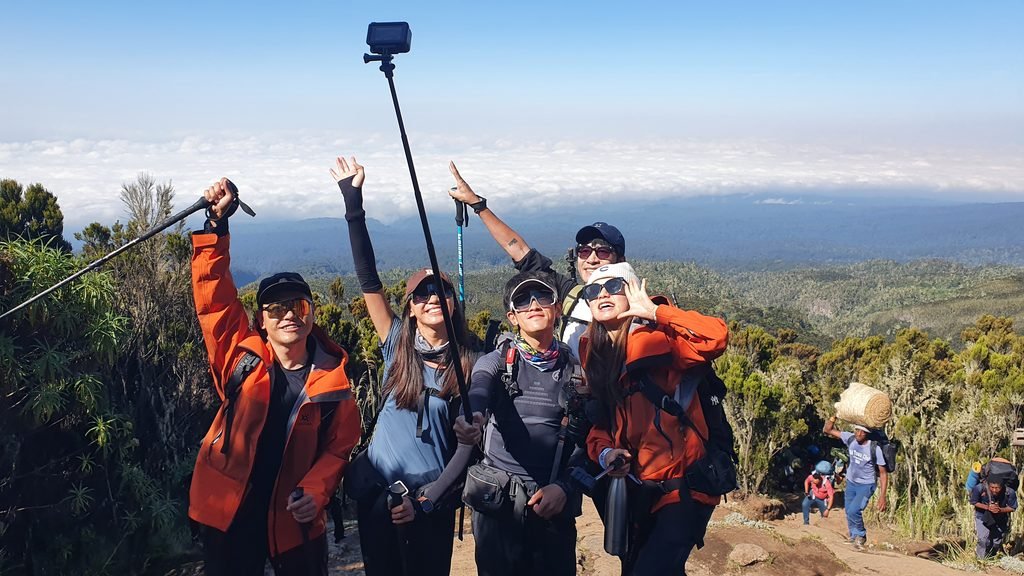
Sample 7-Day Machame Group Climbing Itinerary
The following itinerary illustrates a typical seven-day Machame expedition. It is intended to help travelers understand how a group climb progresses from the lower rainforest to the summit and back down the mountain. Actual walking times, camp arrangements and route details may vary according to the confirmed expedition plan.
Day 1: Machame Gate to Machame Camp
The expedition begins with a transfer from Moshi or the agreed departure point to Machame Gate, where the mountain crew completes the necessary registration and equipment arrangements. The first day’s hike passes through dense rainforest, where the trail can be muddy, particularly after rainfall. Climbers gradually gain altitude while becoming familiar with the walking pace and the mountain environment before arriving at Machame Camp for their first night in tents.
Day 2: Machame Camp to Shira Camp
After breakfast, the group leaves the rainforest behind and continues towards the moorland zone, where the vegetation becomes shorter and the views open across the surrounding mountain slopes. The trail includes several uphill sections before reaching the Shira Plateau, one of Kilimanjaro’s most distinctive landscapes. The afternoon is normally spent resting, eating and preparing for the following day’s trek while the guides continue monitoring the group’s adjustment to altitude.
Day 3: Shira Camp to Barranco Camp via Lava Tower
This stage is particularly important for acclimatization because the route climbs towards Lava Tower, at approximately 4,600 metres, before descending to Barranco Camp. Although the day involves a considerable amount of walking, the higher ascent followed by sleeping at a lower elevation can help the body adjust to changing altitude. Climbers should pay close attention to symptoms such as headaches, nausea or unusual fatigue and report any concerns to their guides.
Day 4: Barranco Camp to Karanga Camp
The day begins with the ascent of Barranco Wall, a steep rocky section that requires careful footing and occasional use of the hands. Although the wall can appear intimidating from below, guides assist climbers through the appropriate sections. After reaching the top, the route continues across undulating terrain before descending into the Karanga Valley and climbing again towards Karanga Camp, where the group spends another night preparing for the higher mountain environment.
Day 5: Karanga Camp to Barafu Camp
The group continues towards Barafu Camp, one of the main summit departure points on the Machame Route. The landscape becomes increasingly barren as the trail passes through exposed alpine terrain. After reaching camp, climbers normally have an early meal, prepare their warm clothing and equipment, and rest before the summit attempt. Guides provide instructions concerning departure time, walking pace, weather conditions and the importance of communicating any altitude-related symptoms.
Day 6: Barafu Camp to Uhuru Peak and Mweka Camp
The summit attempt usually begins around midnight, with climbers ascending slowly through cold and dark conditions towards Stella Point on the crater rim. From there, those who are fit and well enough continue towards Uhuru Peak, the highest point in Africa at 5,895 metres. Reaching the summit is a significant achievement, but the descent remains demanding, and the group must continue carefully back towards Barafu before descending further to Mweka Camp for the final mountain night.
Day 7: Mweka Camp to Mweka Gate
The final trekking day takes the group through the lower mountain environment towards Mweka Gate. After completing the park exit procedures, climbers meet their transport and return to Moshi or the agreed destination. The day provides an opportunity to thank the mountain crew and reflect on the expedition. Summit certificates are normally issued to qualifying climbers according to the highest officially recognized point reached.
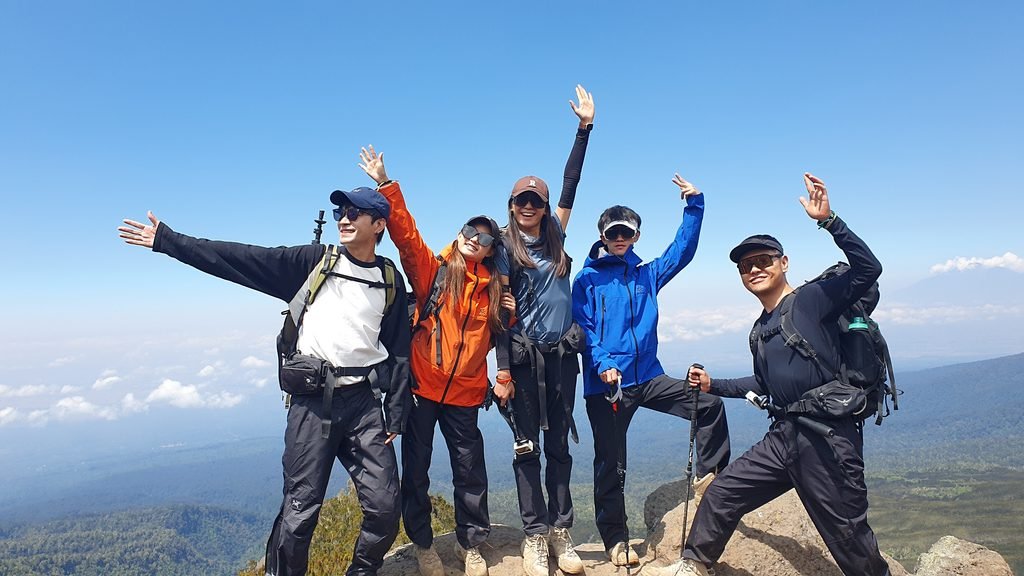
Kilimanjaro Group Climbing Package Inclusions and Exclusions
Before booking a group climb, travelers should receive a clear explanation of what the quoted package covers. The following lists describe common arrangements for a guided Kilimanjaro expedition, but the final services depend on the specific route, operator and written booking agreement.
Package Inclusions
- Kilimanjaro National Park entrance and applicable conservation fees.
- Camping or mountain hut fees according to the selected route.
- Professional mountain guides and assistant guides as required.
- Mountain porters and cooking crew.
- Crew wages and standard mountain operational expenses.
- Breakfast, lunch and dinner during the climb.
- Drinking water supplied during the mountain expedition.
- Mountain camping equipment, including sleeping tents where applicable.
- Group transport between the agreed departure point and mountain gates.
- Mountain rescue fees charged by the park where applicable.
- Basic mountain first-aid arrangements and safety monitoring.
- Assistance with park registration and climbing permits.
Package Exclusions
- International and domestic flights unless specifically included.
- Tanzania visa fees and personal travel documentation.
- Personal travel and medical insurance, including appropriate evacuation cover.
- Tips for mountain guides, porters and cooks.
- Personal trekking clothing, hiking boots and sleeping bags unless included or rented.
- Personal expenses such as souvenirs, laundry and additional hotel services.
- Alcoholic beverages and separately purchased drinks.
- Hotel accommodation before or after the climb unless stated in the quotation.
- Additional activities, safari extensions and Zanzibar holidays.
- Expenses arising from changes to travel arrangements or personal circumstances.
Travelers should confirm these details with Eddy Tours & Safaris before paying a deposit, particularly when comparing different group departures. A complete written quotation helps avoid misunderstandings and makes it easier to prepare a realistic travel budget.
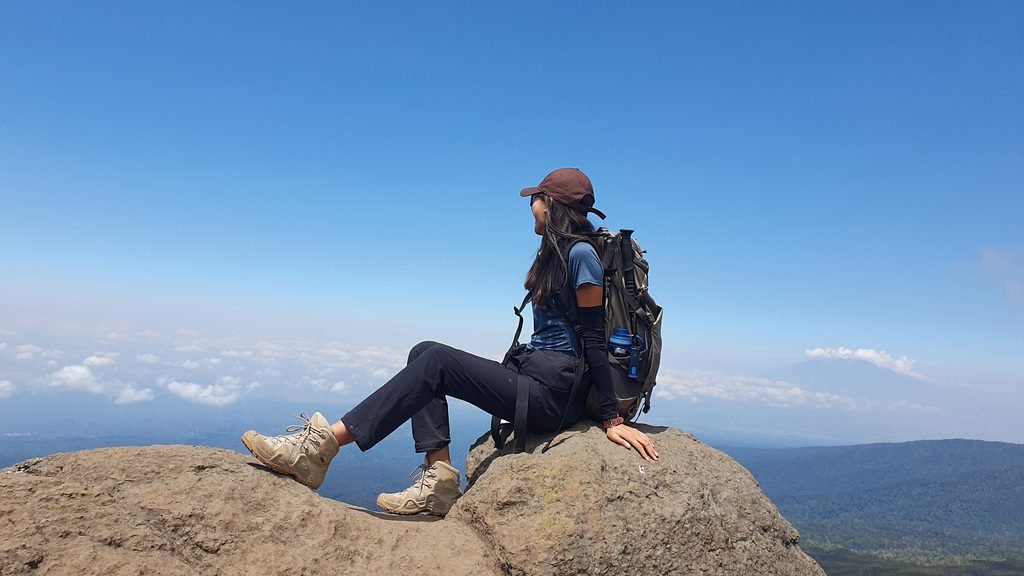
Best Months to Join a Kilimanjaro Group Climb in 2027
Mount Kilimanjaro can be climbed throughout the year, although weather conditions vary considerably between seasons. January and February often provide relatively favorable trekking conditions, with periods of clearer skies and comparatively lower rainfall. June through October is another popular period, particularly for travelers planning their holidays during the northern hemisphere summer. These months can attract larger numbers of climbers, especially on established routes such as Machame and Marangu.
March through May is generally associated with the longer rainy season, while November can bring shorter seasonal rains. However, mountain weather is not completely predictable, and even during the drier months climbers should expect cold temperatures, strong winds and the possibility of rain or snow at higher elevations. Travelers who have flexibility with their dates may wish to compare different departure periods rather than choosing a month based only on general weather expectations.
For additional information about mountain conditions, official regulations and visitor requirements, consult Tanzania National Parks’ Kilimanjaro visitor guide. The park authority provides important guidance concerning approved trekking arrangements, safety procedures and environmental responsibilities.
How to Prepare for a Kilimanjaro Group Climb
Preparation should begin several months before the intended departure, especially for travelers who do not regularly participate in long-distance hiking. Although standard Kilimanjaro trekking routes do not require advanced technical climbing skills, participants should be comfortable walking for several hours over uneven terrain and carrying a small daypack. Regular hill walking, stair climbing, cardiovascular exercise and strength training can help build the endurance needed for consecutive trekking days.
Climbers should also prepare for significant changes in temperature. The lower mountain slopes can be warm and humid, while the summit area may experience temperatures well below freezing, particularly during the night. Appropriate equipment normally includes waterproof hiking boots, thermal clothing, insulating layers, a waterproof jacket, warm gloves, a hat, a headlamp and a suitable sleeping bag. Travelers should test their equipment before departure rather than discovering problems after arriving on the mountain.
Altitude is another important consideration because physical fitness alone does not prevent altitude sickness. Climbers should choose a suitable itinerary, walk at a manageable pace and communicate openly with their guides about any symptoms. Anyone with relevant medical concerns should seek professional advice before traveling. Information about route planning and mountain preparation can also be explored through Kilimanjaro Climb Specialist, alongside the official advice provided by Tanzania National Parks.
Group Climbing or Private Climbing: Which Is Better?
Group climbing is generally suitable for solo travelers, couples and friends who are comfortable sharing an itinerary with other participants. It provides social interaction and may reduce some expedition costs because several climbers share transport and operational arrangements. The experience can be particularly enjoyable when group members encourage one another during difficult sections of the mountain, although everyone must still follow the safety instructions provided by the guides.
Private climbing offers greater flexibility over departure dates, route selection and daily arrangements. It may be preferable for families, established groups of friends or travelers who want an itinerary designed around particular requirements. However, private expeditions can cost more per person, especially when only one or two climbers are participating. Travelers can discuss both arrangements with Eddy Tours & Safaris to determine which option is better suited to their plans.
Combining a Kilimanjaro Group Climb with a Tanzania Safari
Many international travelers choose to extend their holiday after completing Kilimanjaro by visiting Tanzania’s northern safari destinations. This provides an opportunity to experience a different side of the country, moving from the mountain environment to wildlife areas known for elephants, giraffes, zebras, lions and other animals. A safari can also provide a welcome change of pace after several demanding days of trekking, although travelers should allow enough time to recover before beginning additional activities.
Popular destinations include Tarangire National Park, the Serengeti and the Ngorongoro Conservation Area. Travelers with limited time may prefer a shorter safari after their climb, while those with more flexible schedules can consider a longer northern circuit itinerary. A beach holiday in Zanzibar is another option for visitors who would like to spend a few days relaxing before returning home. Eddy Tours & Safaris can help travelers discuss suitable combinations based on their climbing dates, available holiday time and overall budget.
Frequently Asked Questions About Kilimanjaro Group Climbing in 2027
Can beginners join a Kilimanjaro group climb?
Yes, beginners with suitable fitness and preparation can join guided Kilimanjaro group climbs. However, the mountain should not be treated as an easy walk, and participants should choose a route that allows adequate acclimatization. Longer itineraries such as seven-day Machame or eight-day Lemosho are often worth considering because they distribute the ascent over more days.
How many people are normally in a Kilimanjaro climbing group?
Group sizes vary according to the operator, departure date and available bookings. Some departures involve relatively small groups, while others may include more participants. Travelers should request the expected maximum group size and details of the guide-to-climber arrangements before confirming their reservation.
Can I join a Kilimanjaro group as a solo traveler?
Yes, solo travelers can enquire about joining an existing group without needing to organize their own climbing companions. This is one of the main advantages of group trekking, particularly for travelers who want to share certain expedition costs and meet other hikers.
Is reaching the summit guaranteed?
No. Reaching Uhuru Peak depends on several factors, including acclimatization, weather, physical condition and individual responses to altitude. Responsible guides must prioritize climber safety, and descending before reaching the summit may be necessary when medical or environmental conditions make continuing unsafe.
How far in advance should I book a 2027 group climb?
Booking several months in advance is advisable, particularly for popular trekking periods such as January, February, July, August and September. Early enquiries allow more time to compare routes, arrange international flights, prepare equipment and confirm suitable group departure dates.
Book Your Kilimanjaro Group Climb in 2027 with Eddy Tours & Safaris
A Kilimanjaro group climb offers more than the opportunity to stand on Africa’s highest mountain. It brings together travelers with a shared goal and provides a chance to experience Tanzania’s mountain landscapes with the support of an organized guiding team. Whether you prefer the established Machame Route, the longer Lemosho approach, Marangu’s mountain huts, the quieter Rongai trail or the extended Northern Circuit, choosing the right itinerary and preparing properly will make a considerable difference to your experience.
At Eddy Tours & Safaris, we help travelers plan Kilimanjaro climbing holidays and explore suitable group-joining opportunities for 2027. Our team can assist with route comparisons, departure enquiries, accommodation arrangements and combinations with Tanzania wildlife safaris. Contact us with your preferred travel month, number of travelers and route of interest so we can discuss the available arrangements and prepare a quotation.
Request Your 2027 Kilimanjaro Group Climbing Quote
Email: sales@eddytours-safaris.com
Website: Eddy Tours and Safaris