
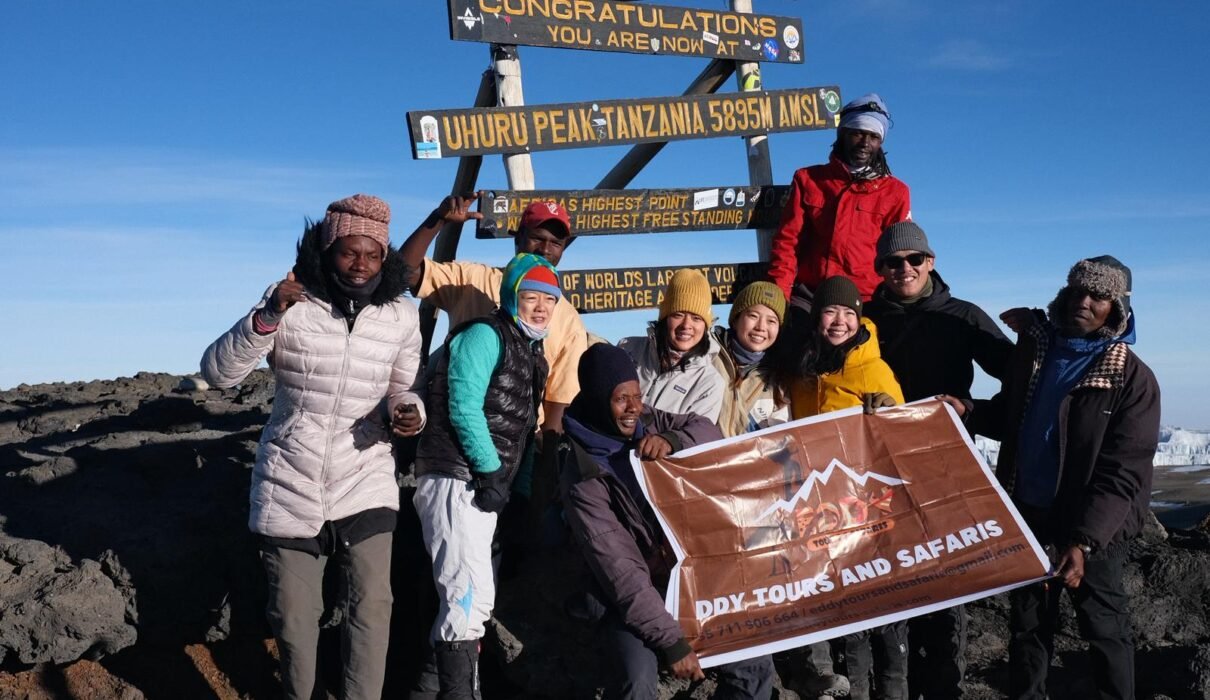
Climbing Mount Kilimanjaro in 2027, 2028 or 2029 is an opportunity to explore Africa’s highest mountain, experience Tanzania’s beautiful natural landscapes and challenge yourself to reach Uhuru Peak at 5,895 metres above sea level. From the thick tropical rainforest at the lower slopes to the rocky alpine desert and snow-covered summit areas, Kilimanjaro offers a mountain trekking experience unlike anywhere else in Africa. Whether you are an experienced hiker or planning your first high-altitude adventure, choosing the right climbing route, travelling season and mountain team can make a considerable difference to your experience.
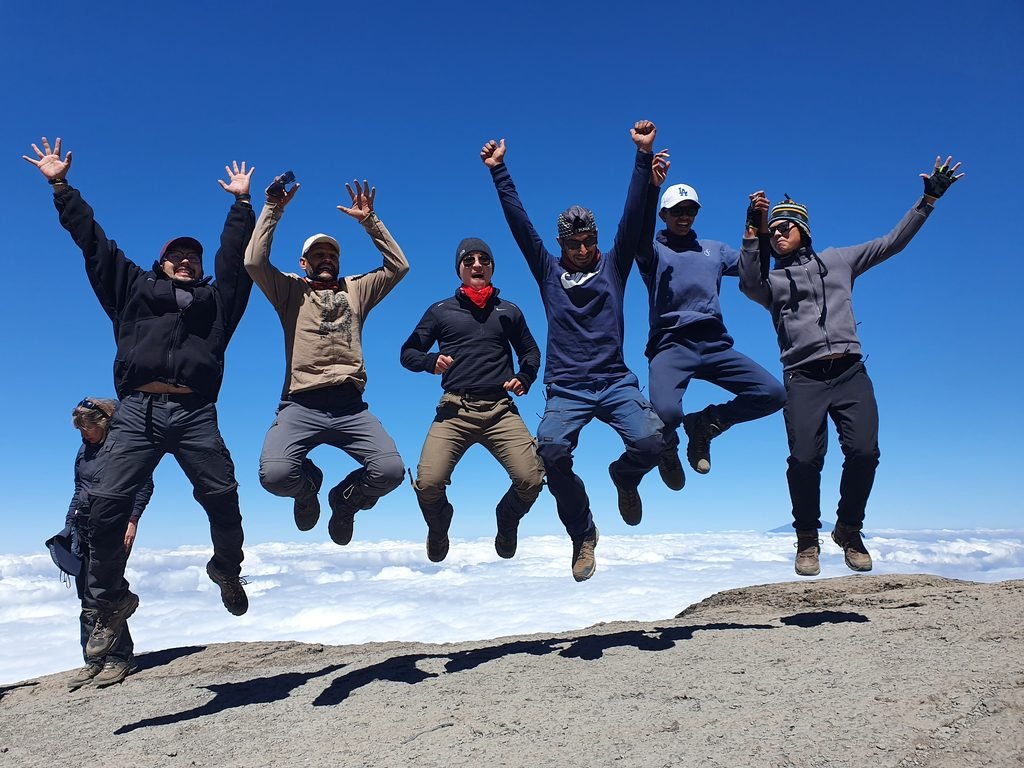
At Eddy Tours & Safaris, we organise guided Mount Kilimanjaro climbing packages for solo travellers, couples, families, friends and organised groups. Our all-inclusive mountain climbing arrangements cover essential trekking services, including professional mountain guides, porters, national park fees, mountain accommodation, meals and safety equipment. Travellers can choose between private expeditions and group-joining climbs according to their budget, preferred travel dates and climbing experience.
Mount Kilimanjaro Climbing Overview for 2027, 2028 & 2029
Mount Kilimanjaro is located in northern Tanzania, close to the Kenyan border, and is the highest free-standing mountain in the world. The mountain consists of three volcanic cones known as Kibo, Mawenzi and Shira, with Uhuru Peak located on Kibo. Unlike many of the world’s highest mountains, climbing Kilimanjaro through its established trekking routes does not normally require technical mountaineering skills. However, the high altitude, changing weather conditions and long walking days require proper preparation, physical fitness and sufficient acclimatisation time.
| Climbing information | Details |
|---|---|
| Destination | Mount Kilimanjaro, Tanzania |
| Travel years | 2027, 2028 and 2029 |
| Highest elevation | 5,895 metres |
| Summit | Uhuru Peak |
| Climbing duration | 5–9 days or longer |
| Climbing options | Private and group departures |
| Accommodation | Mountain tents or huts |
| Difficulty level | Challenging high-altitude trekking |
| Best climbing months | January–March and June–October |
| Starting locations | Moshi and Arusha |
| Tour operator | Eddy Tours & Safaris |
| Package price | Available upon request |
Travellers who would like to understand the different climbing arrangements can explore our 2027 Mount Kilimanjaro climbing guide or visit Kilimanjaro Climb Specialist for additional mountain trekking information.
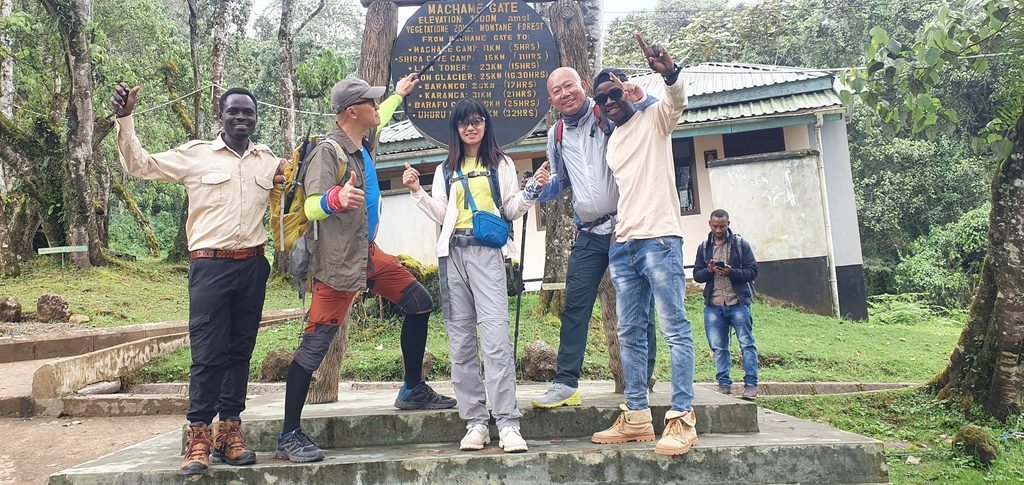
Best Mount Kilimanjaro Climbing Routes for 2027, 2028 & 2029
Selecting a suitable Kilimanjaro route is one of the most important decisions when planning your expedition. Each route offers different landscapes, accommodation arrangements, walking distances and opportunities for acclimatisation. Although shorter routes may appear attractive because of their lower costs and fewer trekking days, longer itineraries generally provide more time for the body to adjust to increasing altitude.
7-Day Kilimanjaro Machame Route
The Machame Route is one of the most popular routes on Mount Kilimanjaro because of its varied scenery and gradual approach through several vegetation zones. The route begins in the southern rainforest before continuing towards the Shira Plateau, Lava Tower, Barranco Wall and Barafu Camp. The seven-day itinerary provides additional acclimatisation time compared with the six-day option and is suitable for physically prepared travellers who enjoy camping and walking through diverse mountain landscapes.
Explore our 7-Day Kilimanjaro Machame Route climbing package for a detailed daily itinerary.
8-Day Kilimanjaro Lemosho Route
The Lemosho Route approaches Mount Kilimanjaro from the western side, passing through beautiful rainforest before reaching the open grasslands of the Shira Plateau. Its longer itinerary allows climbers to gain altitude gradually while enjoying quieter trails during the early stages of the expedition. The eight-day Lemosho Route is particularly suitable for travellers who want a well-paced climbing experience with more time for acclimatisation before attempting the summit.
Discover our 8-Day Kilimanjaro Lemosho Route Trek for departures in 2027, 2028 and 2029.
6-Day Kilimanjaro Marangu Route
The Marangu Route is the only established Kilimanjaro climbing route that provides permanent mountain hut accommodation throughout the trek. Climbers spend their nights at Mandara, Horombo and Kibo huts instead of sleeping in camping tents. The six-day itinerary includes an additional acclimatisation day at Horombo Hut, making it preferable to the shorter five-day programme for many travellers. Despite its established walking trails, the summit ascent remains physically demanding.
Read more about our 6-Day Kilimanjaro Marangu Route climbing package or join our Marangu Route group climbing departures.
7-Day Kilimanjaro Rongai Route
The Rongai Route approaches Kilimanjaro from the northern side near the Kenyan border. This side of the mountain generally receives less rainfall than the southern slopes, making it an interesting option for travellers looking for quieter walking trails and different mountain scenery. The route passes through forest, moorland and high-altitude desert before joining the summit approach near Kibo. Climbers normally descend through the Marangu Route, allowing them to experience both sides of the mountain.
9-Day Kilimanjaro Northern Circuit Route
The Northern Circuit is among the longest established trekking routes on Mount Kilimanjaro. It follows the western approach before continuing around the northern slopes, providing extensive mountain views and additional days for altitude adjustment. This route is recommended for travellers who have sufficient holiday time and prefer a slower climbing schedule with fewer crowds along parts of the journey.
6-Day Kilimanjaro Umbwe Route
The Umbwe Route is known for its steep trails and demanding early stages. It approaches the mountain through the southern forest and climbs rapidly towards the higher mountain zones. Because of its relatively fast elevation gain, it is best suited to experienced hikers who are comfortable with strenuous trekking and understand the challenges of high-altitude climbing.
For further information about selecting a suitable route, visit Kilimanjaro Climb Specialist.
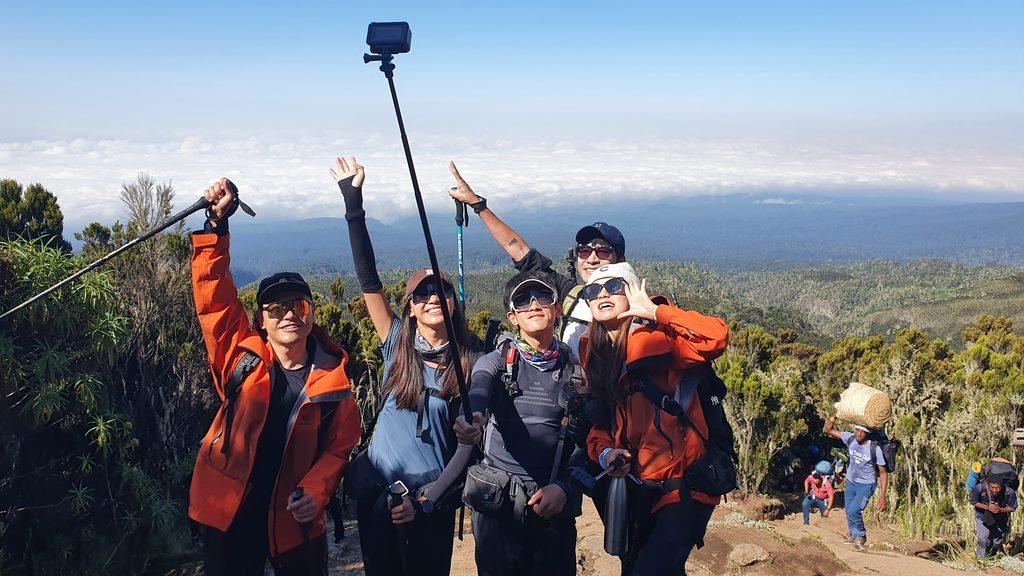
Mount Kilimanjaro Climbing Routes Comparison
| Climbing route | Duration | Accommodation | Difficulty |
|---|---|---|---|
| Marangu Route | 5–6 days | Mountain huts | Challenging |
| Machame Route | 6–7 days | Camping | Challenging |
| Lemosho Route | 7–9 days | Camping | Challenging |
| Rongai Route | 6–7 days | Camping | Challenging |
| Northern Circuit | 8–9 days | Camping | Challenging |
| Umbwe Route | 6–7 days | Camping | Very challenging |
| Shira Route | 7–8 days | Camping | Challenging |
The Ultimate 8-Day All-Inclusive Mount Kilimanjaro Climbing Itinerary
The eight-day Lemosho Route is a recommended option for travellers planning an all-inclusive Kilimanjaro climbing holiday. The programme combines beautiful mountain scenery, gradual elevation gain and sufficient trekking days to support acclimatisation. The following itinerary provides an overview of what climbers can expect during their mountain expedition.
Arrival in Tanzania and Mountain Preparation
Upon arrival at Kilimanjaro International Airport, an airport transfer can be arranged to your hotel in Moshi or Arusha. Before beginning the expedition, you will meet your mountain guide for a climbing briefing, equipment inspection and discussion about the daily trekking schedule. Your guide will check whether you have the necessary clothing, hiking boots, sleeping equipment and personal supplies required for the mountain conditions.
Day 1: Londorossi Gate to Mti Mkubwa Camp
After breakfast, you travel towards the western entrance of Kilimanjaro National Park, where registration and preparations take place before the trek begins. The first walking day follows a forest trail surrounded by tall trees, thick vegetation and various bird species. You may also encounter monkeys along the way before arriving at Mti Mkubwa Camp, where the mountain crew prepares dinner and accommodation for your first night.
Day 2: Mti Mkubwa Camp to Shira 1 Camp
The second day takes you out of the rainforest and into the heather and moorland zone. As the vegetation changes, the surrounding landscape becomes more open, providing opportunities to see the upper slopes of Mount Kilimanjaro when weather conditions are favourable. The trail continues towards Shira 1 Camp, where you spend the afternoon resting and allowing your body to adjust to the higher elevation.
Day 3: Shira 1 Camp to Shira 2 Camp
Today’s journey crosses the Shira Plateau, a wide volcanic landscape with impressive views of Kibo and the surrounding mountain ridges. The walking pace remains controlled to allow climbers to adjust gradually to the increasing altitude. After reaching Shira 2 Camp, there is time to rest, enjoy the surrounding scenery and prepare for the following day’s higher-altitude trek.
Day 4: Shira 2 Camp to Lava Tower and Barranco Camp
The route continues towards Lava Tower, reaching approximately 4,600 metres above sea level before descending towards Barranco Camp. This day is particularly important for acclimatisation because climbers experience a higher elevation during the day and sleep at a lower altitude. The descent into Barranco Valley provides views of distinctive mountain vegetation, including giant groundsels adapted to Kilimanjaro’s high-altitude environment.
Day 5: Barranco Camp to Karanga Camp
After breakfast, you begin climbing the famous Barranco Wall, a steep section that requires careful foot placement and occasional use of your hands for balance. Although the wall looks intimidating from camp, your guides will assist you throughout the ascent. The journey continues across several mountain ridges before reaching Karanga Camp, where you rest and prepare for the next stage of the expedition.
Day 6: Karanga Camp to Barafu Camp
The trek towards Barafu Camp passes through the alpine desert, where vegetation becomes increasingly limited and the weather can change quickly. Upon arrival, the mountain crew provides meals while your guide discusses the summit schedule, clothing requirements and safety considerations. Climbers are encouraged to rest, eat adequately and prepare their equipment before the overnight summit attempt.
Day 7: Barafu Camp to Uhuru Peak and Mweka Camp
The summit attempt normally begins during the night, allowing climbers to approach the crater rim around sunrise, depending on their walking pace and mountain conditions. The trail climbs steadily towards Stella Point before continuing along the crater rim to Uhuru Peak at 5,895 metres. After spending time at the summit, climbers descend to Barafu Camp for a short rest before continuing towards Mweka Camp. This is usually the longest and most physically demanding day of the expedition.
Day 8: Mweka Camp to Mweka Gate
After breakfast, the final walking day takes you back through Kilimanjaro’s rainforest towards Mweka Gate. Upon completing the necessary park procedures, eligible climbers receive their official climbing certificates. Your driver will be waiting to transfer you back to your hotel, where you can enjoy a warm shower, a comfortable meal and time to recover after completing your mountain adventure.
Travellers interested in additional acclimatisation time can also consider our 9-Day Lemosho Route Kilimanjaro Climb.
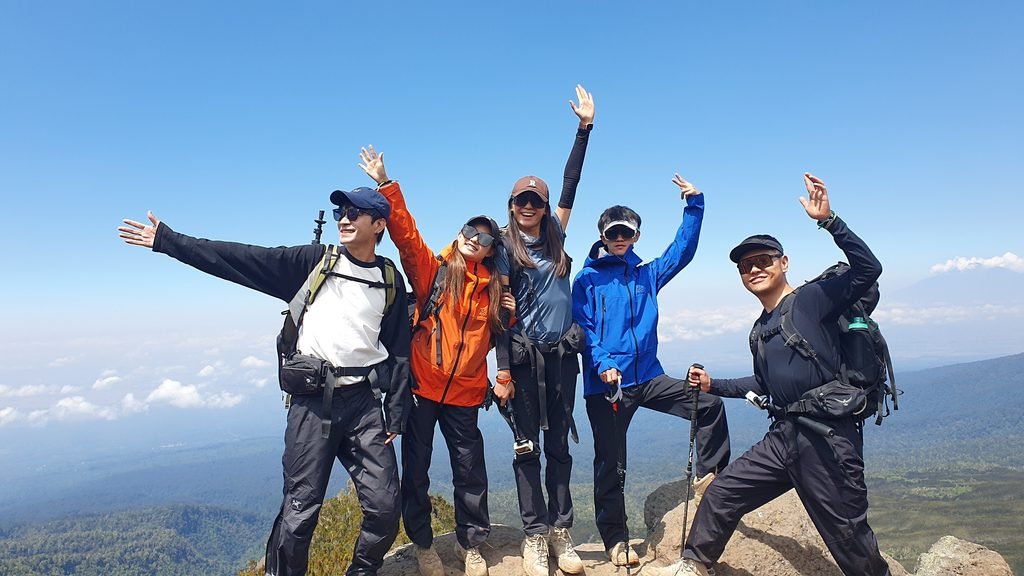
What Is Included in the All-Inclusive Kilimanjaro Climbing Package?
Our all-inclusive Kilimanjaro climbing arrangements are designed to cover the essential services required during the mountain expedition. Having these services organised in advance allows climbers to concentrate on their physical preparation and mountain experience rather than managing individual trekking expenses.
Package Inclusions
- Kilimanjaro National Park entrance fees.
- Mountain conservation fees.
- Camping or mountain hut fees.
- National park rescue fees.
- Professional English-speaking mountain guides.
- Assistant mountain guides, porters and cooks.
- Mountain crew wages and applicable park fees.
- Breakfast, lunch and dinner during the trek.
- Clean and treated drinking water.
- Quality mountain sleeping tents for camping routes.
- Sleeping mattresses.
- Dining tents, tables and chairs for camping expeditions.
- Emergency oxygen cylinder.
- Basic mountain first-aid equipment.
- Transfers between the hotel and mountain gates.
- Pre-climb briefing and equipment inspection.
- Official climbing certificate for eligible climbers.
- Applicable government taxes.
Package Exclusions
- International and domestic flights.
- Tanzania entry visa.
- Travel and high-altitude trekking insurance.
- Personal climbing clothing and hiking boots.
- Personal sleeping bags and trekking poles.
- Tips and gratuities for mountain guides, porters and cooks.
- Alcoholic drinks and personal beverages.
- Personal expenses, including laundry and telephone charges.
- Airport transfers unless included in the quotation.
- Hotel accommodation before and after the climb unless included in the quotation.
- Additional sightseeing and optional activities.
- Tanzania wildlife safaris and Zanzibar holidays unless booked as part of a combined package.
How Much Does It Cost to Climb Mount Kilimanjaro in 2027, 2028 & 2029?
The cost of climbing Mount Kilimanjaro depends on the selected route, number of trekking days, group size, accommodation arrangements and additional services. Longer routes generally cost more because they require additional national park fees, mountain crew services, meals and equipment. Private expeditions may also cost more per person than group-joining climbs because operational expenses are shared among fewer participants.
When comparing Kilimanjaro climbing prices, travellers should pay attention to what is actually included rather than selecting a package based only on its advertised price. A properly organised mountain expedition should provide suitable equipment, experienced guides, adequate meals, fair treatment of mountain crew members and appropriate emergency arrangements. Prices for 2027, 2028 and 2029 are subject to confirmed travel dates, government charges and operating costs.
Contact Eddy Tours & Safaris to receive a detailed all-inclusive Kilimanjaro climbing quotation based on your preferred route and travel dates.
Best Time to Climb Mount Kilimanjaro in 2027, 2028 & 2029
Mount Kilimanjaro can be climbed throughout the year, although some months generally offer more favourable trekking conditions than others. The periods between January and March and between June and October are popular because they tend to experience relatively dry weather, better visibility and more comfortable walking conditions. Nevertheless, snow, rain, strong winds and freezing temperatures can occur at higher elevations during any season.
January to March
These months generally provide good climbing conditions, particularly for travellers who prefer cooler temperatures and potentially quieter mountain trails compared with the busiest months of the year. January and February are especially popular among visitors combining Kilimanjaro climbing with northern Tanzania wildlife safaris, including trips to the southern Serengeti and Ndutu during the wildebeest calving season.
June to October
June through October represents one of the busiest Kilimanjaro climbing periods. The weather is generally drier, although temperatures can be particularly cold at higher elevations. July, August and September attract many international travellers, making early booking advisable for those who want to join organised group departures or secure a particular private climbing date.
November and December
November often experiences short rains, while December can provide suitable climbing opportunities depending on prevailing weather conditions. Christmas and New Year expeditions are popular with travellers who wish to celebrate the festive season on the mountain. Climbers should prepare for changing weather and possible rainfall, particularly at lower elevations.
Kilimanjaro Group Joining Climbs for 2027, 2028 & 2029
Group joining climbs are a practical option for solo travellers and couples who would like to share their Kilimanjaro experience with other hikers. Joining an organised expedition allows participants to share certain operational expenses while meeting people from different countries. Group members follow an agreed route and departure schedule, supported by a dedicated mountain team responsible for guiding, meals, equipment and campsite arrangements.
Eddy Tours & Safaris offers group climbing opportunities through selected Kilimanjaro routes, including Machame, Marangu and Lemosho. Travellers planning their expedition can review our Kilimanjaro group climbing departure dates and explore our fixed group departure programmes. Departure schedules for 2028 and 2029 should be confirmed directly with our reservations team.
Private Mount Kilimanjaro Climbing Expeditions
A private Kilimanjaro expedition is suitable for travellers who prefer greater flexibility when selecting their climbing dates, trekking route and travel companions. Private climbs can be organised for individuals, couples, families, friends and corporate groups. Having a dedicated mountain team allows the guide to pay closer attention to the needs of the participants while maintaining a suitable walking pace and following national park regulations.
Private climbing arrangements are also convenient for travellers who wish to combine Kilimanjaro with other destinations in Tanzania without being restricted by fixed group departure schedules. Additional hotel nights, airport transfers, equipment rental and post-climb holidays can be arranged according to individual requirements.
How to Prepare for Your Mount Kilimanjaro Climb
Preparing for Kilimanjaro should begin several months before your intended departure. Regular walking, uphill hiking, stair climbing and cardiovascular exercises can help improve physical endurance and prepare your legs for consecutive trekking days. Training with a light backpack and wearing the hiking boots you intend to use on the mountain can also help you become familiar with your equipment before arriving in Tanzania.
Physical fitness alone does not guarantee a successful summit because altitude affects people differently. Selecting a longer route, maintaining a slow walking pace, eating adequately and following your guide’s instructions are important parts of the climbing experience. Travellers should also consult a healthcare professional before undertaking a high-altitude expedition, particularly if they have existing medical conditions.
Essential Kilimanjaro Climbing Equipment
- Waterproof hiking boots.
- Warm thermal clothing.
- Insulated mountain jacket.
- Waterproof jacket and trousers.
- Comfortable trekking trousers.
- Warm gloves and a winter hat.
- Sun hat and sunglasses.
- High-altitude sleeping bag.
- Trekking poles.
- Headlamp with spare batteries.
- Reusable water bottles.
- Comfortable day backpack.
- Sunscreen and lip protection.
- Personal medication and toiletries.
- Suitable travel and trekking insurance.
Additional information about mountain preparation and equipment requirements is available through Kilimanjaro Climb Specialist.
Understanding Altitude Sickness on Mount Kilimanjaro
Altitude sickness is one of the main challenges associated with climbing Mount Kilimanjaro. As climbers reach higher elevations, reduced oxygen availability makes physical activity more demanding. Common symptoms can include headaches, nausea, dizziness, tiredness and loss of appetite. These symptoms should always be reported to the mountain guide because continuing to ascend when symptoms are worsening can lead to serious complications.
Choosing an itinerary with adequate acclimatisation time can help reduce the risk of altitude-related problems, although it cannot eliminate the risk completely. Climbers experiencing severe or worsening symptoms may need to descend immediately. Reaching Uhuru Peak should never take priority over personal health and safety, and the mountain guide’s safety decisions must be respected throughout the expedition.
Combine Mount Kilimanjaro With a Tanzania Wildlife Safari
After completing your Mount Kilimanjaro expedition, you can extend your holiday by visiting Tanzania’s famous national parks. Northern Tanzania offers excellent opportunities to observe elephants, lions, giraffes, zebras, buffaloes and other wildlife in their natural surroundings. Popular safari destinations include Serengeti National Park, Ngorongoro Crater, Tarangire National Park and Lake Manyara National Park.
A combined mountain and wildlife holiday is particularly suitable for international travellers who want to experience different parts of Tanzania during one visit. Depending on the available holiday time, our team can arrange short wildlife safaris or longer programmes covering several national parks.
Explore our 10-Day Kilimanjaro Climb and Serengeti Safari Package for an organised mountain and wildlife experience.
Mount Kilimanjaro Climbing and Zanzibar Beach Holidays
Zanzibar is an excellent destination for relaxation after spending several demanding days on Mount Kilimanjaro. The island offers white sandy beaches, warm Indian Ocean waters, historical attractions and various coastal activities. Travellers can spend several days recovering from their mountain expedition while enjoying swimming, snorkelling, spice farm visits and guided tours through the historical streets of Stone Town.
Eddy Tours & Safaris can organise combined Kilimanjaro climbing, Tanzania wildlife safari and Zanzibar beach holiday packages according to your travel schedule. Accommodation, domestic flights, airport transfers and guided activities can be included in a personalised quotation.
Why Climb Mount Kilimanjaro With Eddy Tours & Safaris?
As a locally based Tanzania tour company, Eddy Tours & Safaris helps travellers organise their Kilimanjaro expeditions with experienced local mountain teams and carefully planned trekking arrangements. Our approach focuses on clear communication, suitable route selection, proper mountain preparation and providing travellers with detailed information about their climbing package before confirming their reservation.
- Experienced local mountain guides.
- Private and group climbing arrangements.
- Flexible departure dates.
- Different routes and trekking durations.
- Transparent package inclusions and exclusions.
- Mountain safety and acclimatisation considerations.
- Personalised travel arrangements.
- Combined Tanzania safari and Zanzibar holiday options.
- Local assistance before and after your expedition.
Frequently Asked Questions About Mount Kilimanjaro Climbing
Can beginners climb Mount Kilimanjaro?
Yes. Physically prepared beginners can attempt Mount Kilimanjaro without previous technical mountaineering experience. However, selecting a longer itinerary, completing suitable fitness training and understanding the challenges of high-altitude trekking are important. The seven-day Machame and eight-day Lemosho routes are worth considering for first-time climbers.
How many days are needed to climb Mount Kilimanjaro?
Most Kilimanjaro climbing itineraries require between five and nine trekking days. Seven to nine days are generally preferable because they provide more opportunities for acclimatisation. Travellers should also allow additional days for arrival, equipment preparation and recovery after the mountain expedition.
Is Mount Kilimanjaro difficult to climb?
Mount Kilimanjaro is physically demanding because of its elevation, long trekking days, cold temperatures and reduced oxygen availability near the summit. Although technical climbing skills are not normally required on standard routes, reaching Uhuru Peak requires proper preparation, patience and suitable mountain conditions.
Can I climb Kilimanjaro alone?
Solo travellers can book a private guided expedition or join an organised group climb. Independent climbing without an authorised mountain guide is not permitted under Kilimanjaro National Park regulations. Group joining departures are particularly suitable for solo travellers who wish to share the experience with other hikers.
Which Kilimanjaro route is best for acclimatisation?
The eight-day Lemosho and nine-day Northern Circuit routes provide extended trekking schedules that allow more time for altitude adjustment. However, the most suitable route depends on individual fitness, available travel time, previous hiking experience and budget.
Is travel insurance necessary for Kilimanjaro?
Travellers should obtain insurance that specifically covers high-altitude trekking up to at least 5,895 metres, emergency evacuation and medical treatment. Standard travel insurance policies may exclude activities above certain elevations, making it important to confirm coverage before travelling.
Can I book my Kilimanjaro climb for 2028 or 2029 now?
Yes, advance enquiries and private climbing arrangements can be discussed for 2028 and 2029. Booking early provides additional time to prepare physically, purchase suitable equipment and organise international flights. Final prices, departure availability and booking conditions should be confirmed with your tour operator.
Is reaching Uhuru Peak guaranteed?
No responsible Kilimanjaro tour operator can guarantee that every climber will reach Uhuru Peak. Summit achievement depends on individual acclimatisation, physical condition, weather and the mountain guide’s safety assessment. A suitable route and proper preparation can improve your chances, but personal safety must remain the main priority.
Book Your All-Inclusive Mount Kilimanjaro Climb for 2027, 2028 & 2029
Whether you are planning your first mountain expedition, celebrating a personal achievement or travelling to Tanzania with friends, climbing Mount Kilimanjaro offers an opportunity to experience Africa from a completely different perspective. Choosing an appropriate route, allowing enough time for acclimatisation and working with an experienced local mountain team are important steps towards organising a rewarding climbing holiday.
At Eddy Tours & Safaris, we are ready to help you plan your private or group Mount Kilimanjaro expedition for 2027, 2028 or 2029. Share your preferred travel dates, number of climbers, route selection and additional holiday requirements with our reservations team to receive a detailed climbing proposal.
Contact Eddy Tours & Safaris
- Website: Eddy Tours and Safaris
- Email: sales@eddytours-safaris.com
- Alternative email: eddytoursandsafaris@gmail.com
- Additional climbing information: Kilimanjaro Climb Specialist
Start planning your journey to the highest point in Africa with Eddy Tours & Safaris.